

Moo-ving Forward: The Future of the Global Dairy Industry

The Whey It’s Made
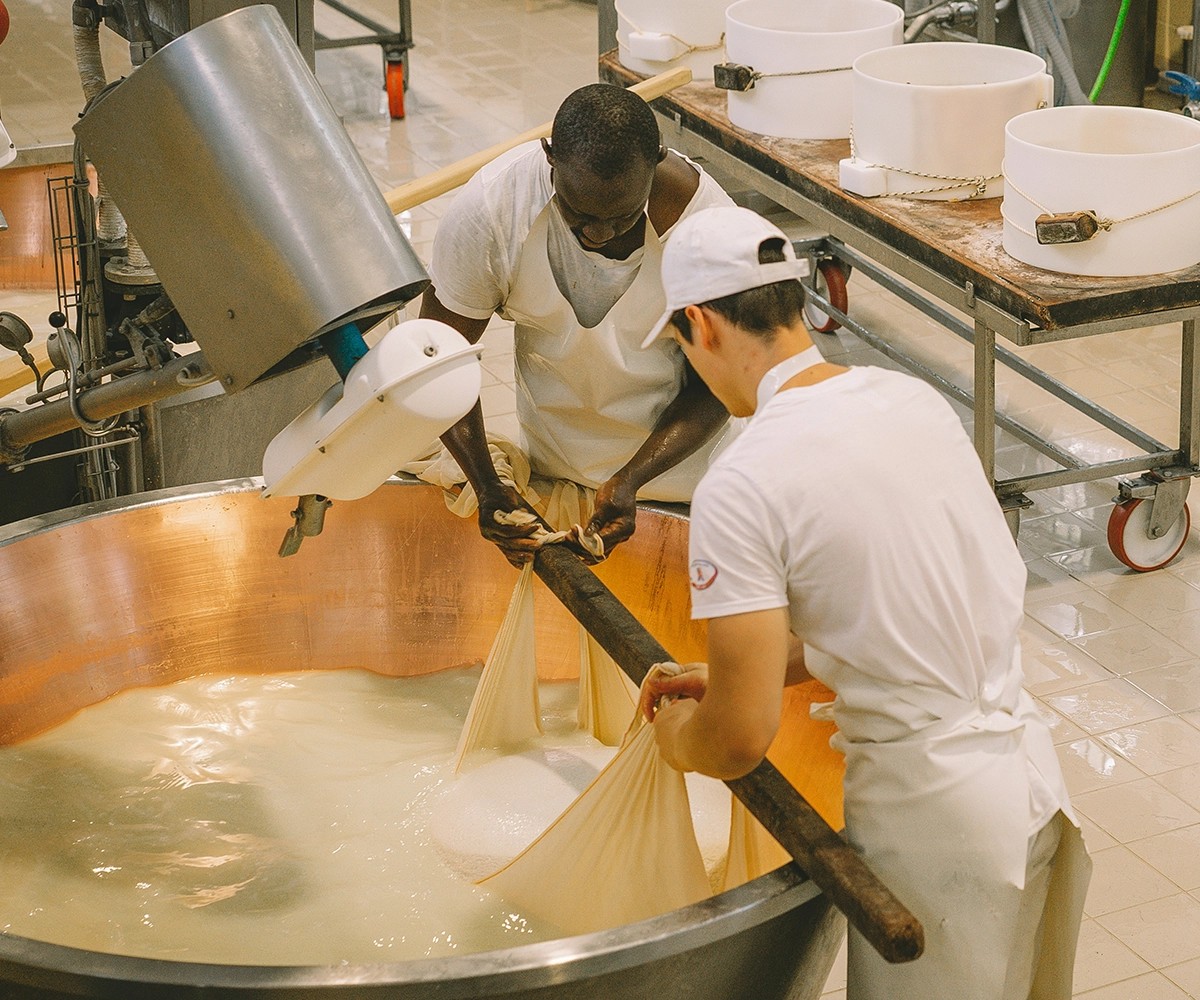
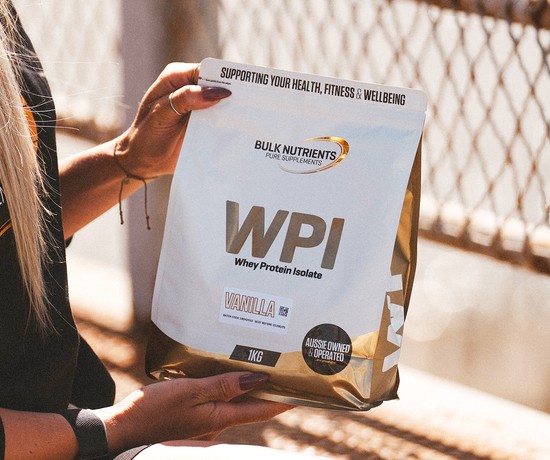
Most whey protein begins life as a humble by-product of cheesemaking. Remember the nursery rhyme Little Miss Muffet? The “curds” became cheese, while the “whey” was the leftover liquid. That liquid is then filtered and dried into the familiar protein powders you scoop into your shaker.
There is a small slice of the industry producing whey directly from whole milk (even one company in Australia)— but it’s a niche process, nowhere near scalable enough to keep up with the world’s growing protein demand.
Grass-Fed vs Supplementary Feeding
So, what about the cows producing the milk?
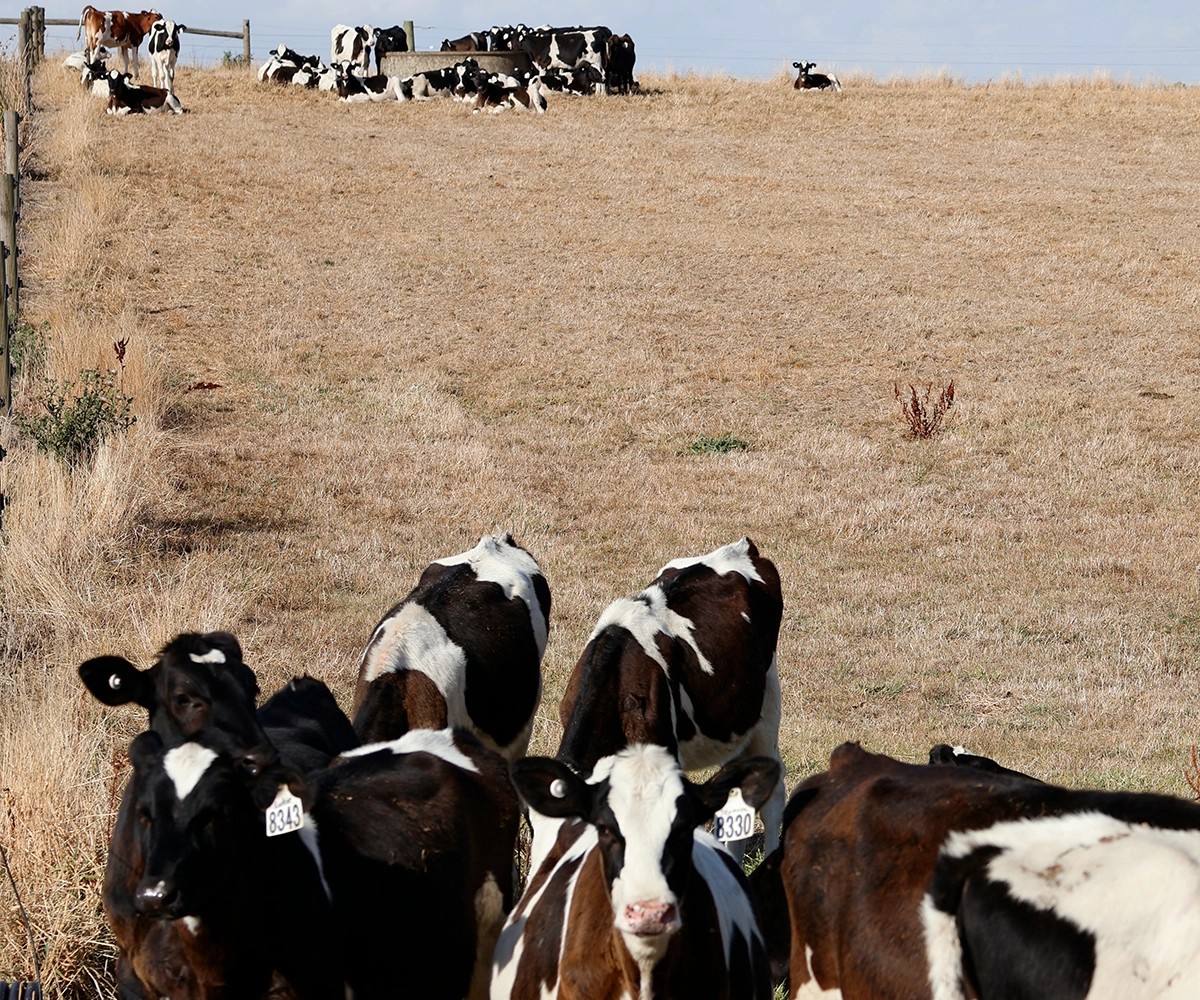
In Australia and New Zealand, most dairy cows live out on pasture — meaning they’re predominantly grass-fed. But no farmer would let a cow go hungry. During droughts, chilly winters, or when pasture quality drops, supplementary feeds like hay or grain step in to keep cows healthy and happy.
And it’s not just a local practice. Around the world, the label “grass-fed” generally means cows spend most of their time grazing — but they may still get other feed along the way to support their health, welfare, and milk production.
Climate Change and Shifting Dairy Regions
In recent years, climate change and water scarcity have been reshaping the dairy map. Regions once ideal for milk production are now becoming too hot or too dry, forcing many operations to herd southward in search of greener pastures.
For those who can’t simply move, the challenge has sparked a rethink: how can farmers keep cows comfortable and milk production steady when the climate doesn’t play nice?
The Rise of Intensive Dairy Farming
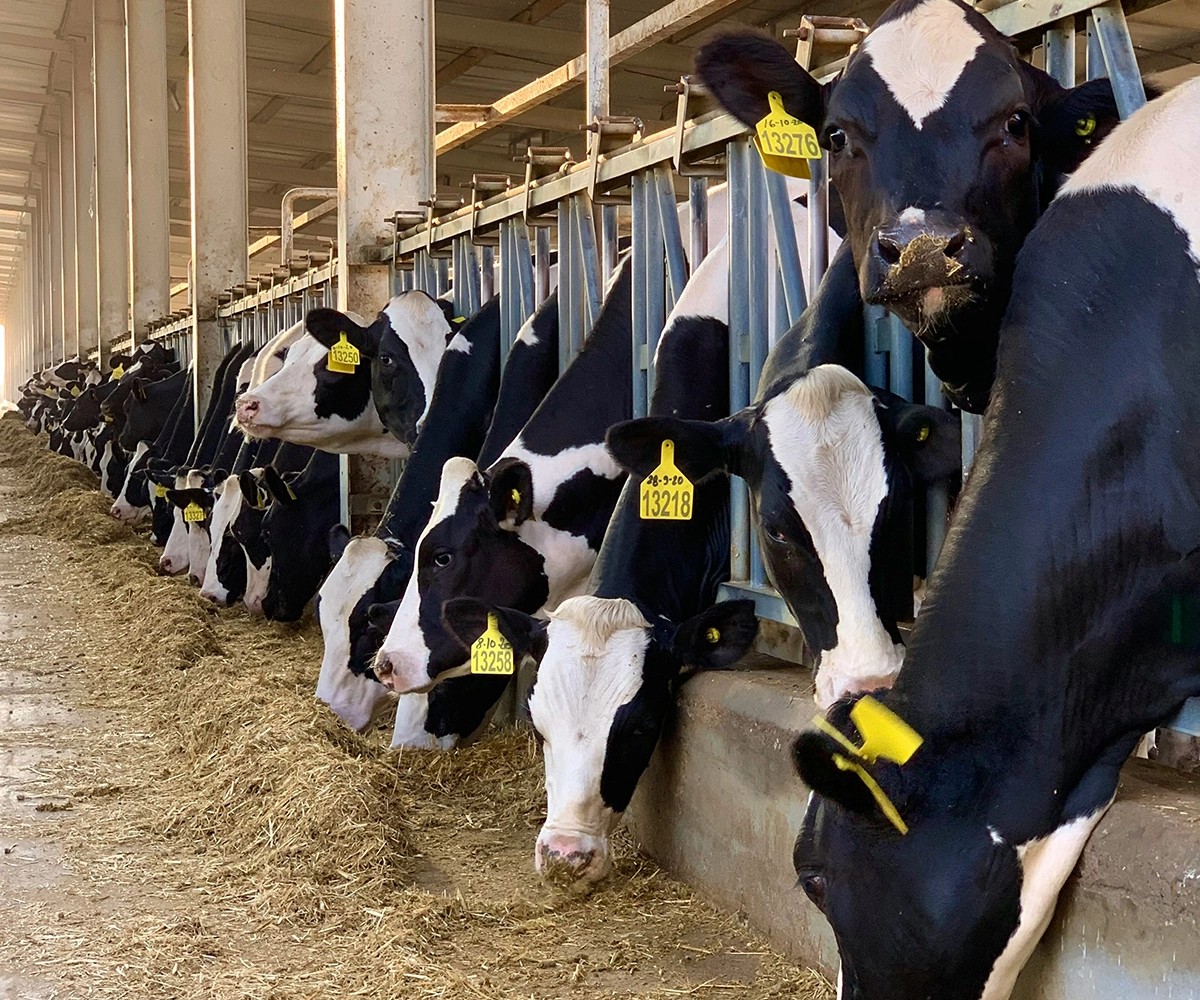
A relatively new trend in Australia is the growth of intensive dairy systems. While only about 10% of farms operate this way, they produce roughly 20% of the nation’s milk — proving these setups punch well above their weight in output. Intensive systems aren’t one-size-fits-all:
- Some allow cows to move freely between barns and paddocks.
- Some keep cows on pasture most of the time but bring them indoors during bad weather.
- Others house cows indoors year-round, with no paddock access.
Intensive dairy farming has been standard practice for decades across parts of Europe and the US, especially where climates swing from scorching hot to bitterly cold.
Creature Comforts, Not Feedlot Farming
Intensive dairy barns aren’t feedlots. Unlike intensive pig or poultry setups, these barns are built with cow comfort in mind. They can wander freely, lie down in cushy “loafing areas,” and enjoy round-the-clock access to food and water.
The barns are also climate-controlled, with temperature and humidity adjusted to keep cows in their ideal “comfort zone.” Research shows that cows in these systems often experience lower stress levels, better health, and higher milk yields compared to those exposed to the elements all year round.
Balancing Cow Welfare and Environmental Impact
Pasture-based dairy systems can be tough on the environment and demand large areas of land. Globally, there’s been a huge increase in land used for livestock production.
Intensive systems, which need less land, make dairy more viable in space-limited countries — and in those more exposed to climate change risks.
Wet winters bring another challenge: heavy cattle can churn up the ground, damaging soil and causing mud-related hoof problems. Indoor systems avoid this, while providing consistent feeding and needing far less land overall.
So, what do the cows prefer? Studies that look at cow preference for paddock vs barn give mixed results. They’ll spend anywhere from 8% to 72% of their time on pasture, which is a huge range. This is highly influenced by the weather — unsurprisingly, in extreme cold, heat, or rain, most cows head for the comfort of a barn.
Researchers often use milk yield as a sign of cow welfare — the thinking being that happier, healthier cows tend to produce higher volumes. Barn-raised cows often deliver bigger outputs over a season, largely because they eat more and don’t waste as much energy searching for food. On the other hand, studies also show paddock-raised cattle are more likely to spend time lying down and moving freely — behaviours also linked to positive welfare.
The reality is that more research is needed to pinpoint which parts of paddock access really matter — whether it’s freedom of movement, space to socialise, or simply fresh air. For now, it’s fair to say most people believe the ideal balance is giving cows both paddock time and shelter access.
The Milk Debate: Pasture or Barn?
Nutritionally, milk from barn-raised cows and pasture-raised cows is almost identical in terms of macronutrients. The real differences show up in welfare outcomes.
Barn-raised cows are protected from extreme weather and often face fewer environment-related health issues, while paddock-raised cattle enjoy more space and display behaviours we naturally associate with “happy cows” — like freely choosing where to roam (within the fences, of course!).
So which milk is truly “better”? The answer isn’t straightforward. It depends on what you value most: cow comfort, environmental footprint, or the timeless image of open-paddock grazing.
Our Approach to Whey Protein Sourcing
At Bulk Nutrients, we source our whey from paddock-raised cattle, supporting farming systems where cows spend most of the year grazing freely on pasture.
And we’re not just looking at today. We keep a close eye on global trends and emerging technologies, knowing that shifts in climate, land use, and welfare standards will continue to shape the future of dairy — and, in turn, the future of our whey protein supplements.
The Future of Dairy Farming
The exact future of dairy is impossible to predict — but one trend is clear: intensive dairy systems are on the rise, and it’s likely more milk will come from these operations in the years ahead.
Whether they become the dominant global model will depend on shifting climates, land pressures, new technologies, and what consumers ultimately demand.
What we do know is that the global dairy industry will keep evolving — striving to balance productivity, sustainability, and animal welfare in an ever-changing world.
And just as the dairy industry evolves, so will we — making sure the whey protein in your supplements always meets the highest standards.

Jess Crowley is Bulk Nutrients' CEO.
An encyclopedia of knowledge when it comes to all things Bulk, she's been an integral part of the operation since 2011.
In her spare time (when she can find it!) she loves spending time with her three children and husband at home in the Huon Valley, or you can find her with her horses!
More about Jess CrowleyReferences:
- Smid, M. C., & Weary, D. M. (2020). The Influence of Different Types of Outdoor Access on Dairy Cattle Behavior. Frontiers in Veterinary Science, 7, 257. https://pmc.ncbi.nlm.nih.gov/articles/PMC7238891/
- Smid AC, Weary DM, von Keyserlingk MAG. The Influence of Different Types of Outdoor Access on Dairy Cattle Behavior. Front Vet Sci. 2020 May 13;7:257. doi: 10.3389/fvets.2020.00257. PMID: 32478110; PMCID: PMC7238891. https://pmc.ncbi.nlm.nih.gov/articles/PMC7238891/#s3
- Ferris, C., Watson, S., Gordon, A., & Barley, J. (2022). Physical and economic performance of dairy cows managed within contrasting grassland-based milk production systems over 3 successive lactations. Journal of Dairy Science, 105(4), 3153-3175. https://www.sciencedirect.com/science/article/pii/S0022030222000546
- Crump A, Jenkins K, Bethell EJ, Ferris CP, Arnott G. Pasture Access Affects Behavioral Indicators of Wellbeing in Dairy Cows. Animals (Basel). 2019 Nov 1;9(11):902. doi: 10.3390/ani9110902. PMID: 31683918; PMCID: PMC6912433. https://pmc.ncbi.nlm.nih.gov/articles/PMC6912433/


Whey Protein Concentrate
$59.00